Downtown LA Faces Billions In Losses As Office Towers Sit Empty

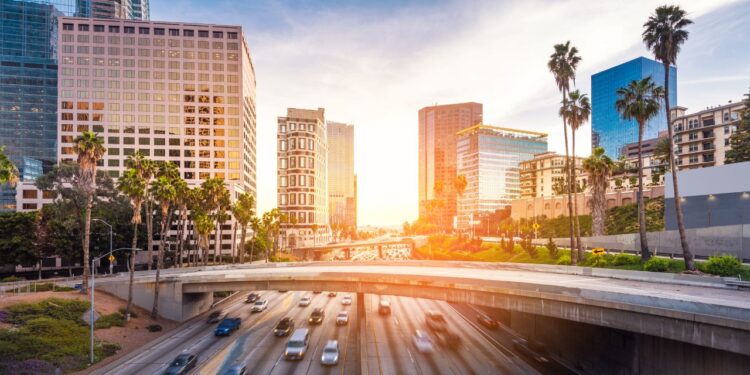
A newly released study highlights a growing crisis in Downtown Los Angeles, where office vacancy rates have reached historic highs and could pose major financial consequences for the city and county if left unaddressed. 

The report, released by Downtown Works, the nonprofit arm of the Central City Association (CCA), warns that inaction could result in a staggering $69.5 billion decline in assessed office property value over the next decade, according to BisNow.

Along with that drop, the city and county stand to lose an estimated $353 million in property tax revenue — funds that typically support essential services. The findings connect rising vacancy, now at 22% and projected to climb, with reduced property values and, in turn, shrinking revenue for Los Angeles’s General Fund.
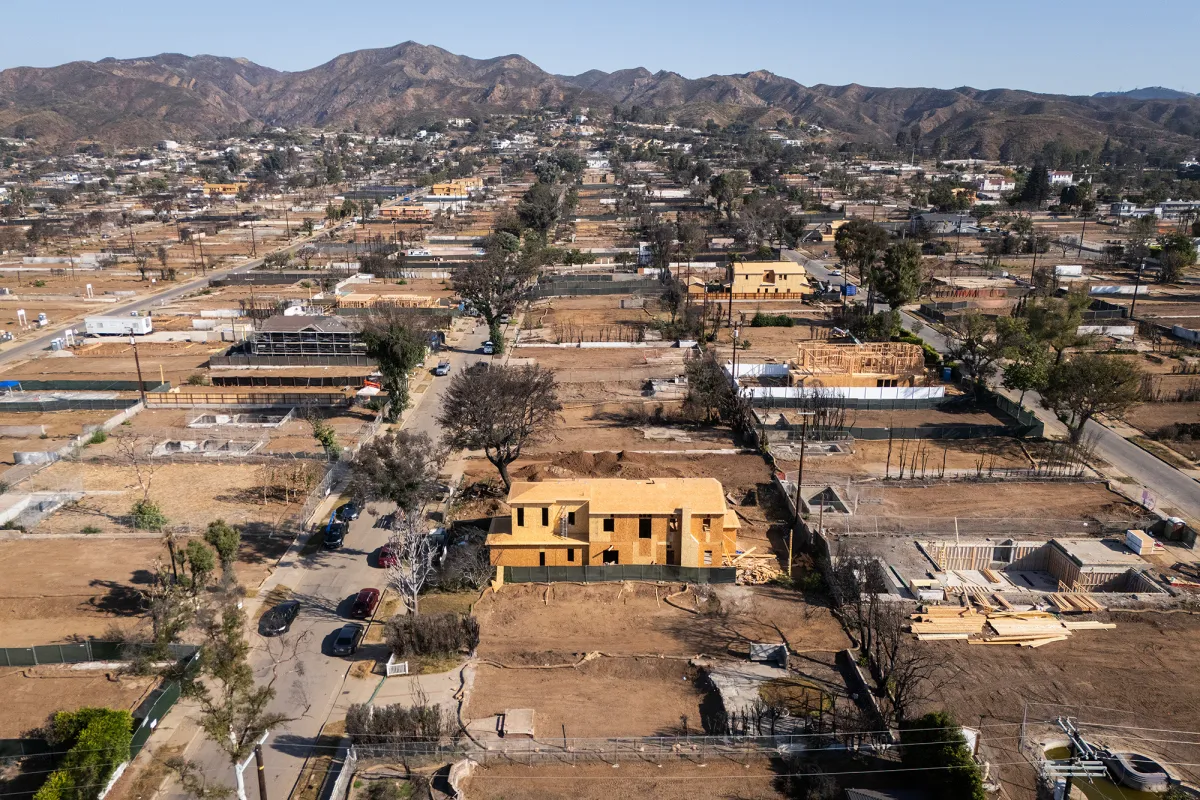

After devastating fires, L.A. made one part of rebuilding easy. There’s much more to do…

While few victims of last year’s fires are back in their homes, that’s not unusual following natural disasters; permitting changes appear to be helping.

“Last year local governments — the City and County of Los Angeles, as well as Malibu and Pasadena — issued permits for single-family homes and accessory dwelling units “three times faster” than they were in the five years leading up to the fire, the administration noted. 

Rebuilding after disaster is almost always a grueling, slow process. Of the more than 22,500 homes destroyed in five of California’s most destructive fires between 2017 and 2020, fewer than four-in-ten had been rebuilt by 2025, a Los Angeles Times analysis from late last summer found.”

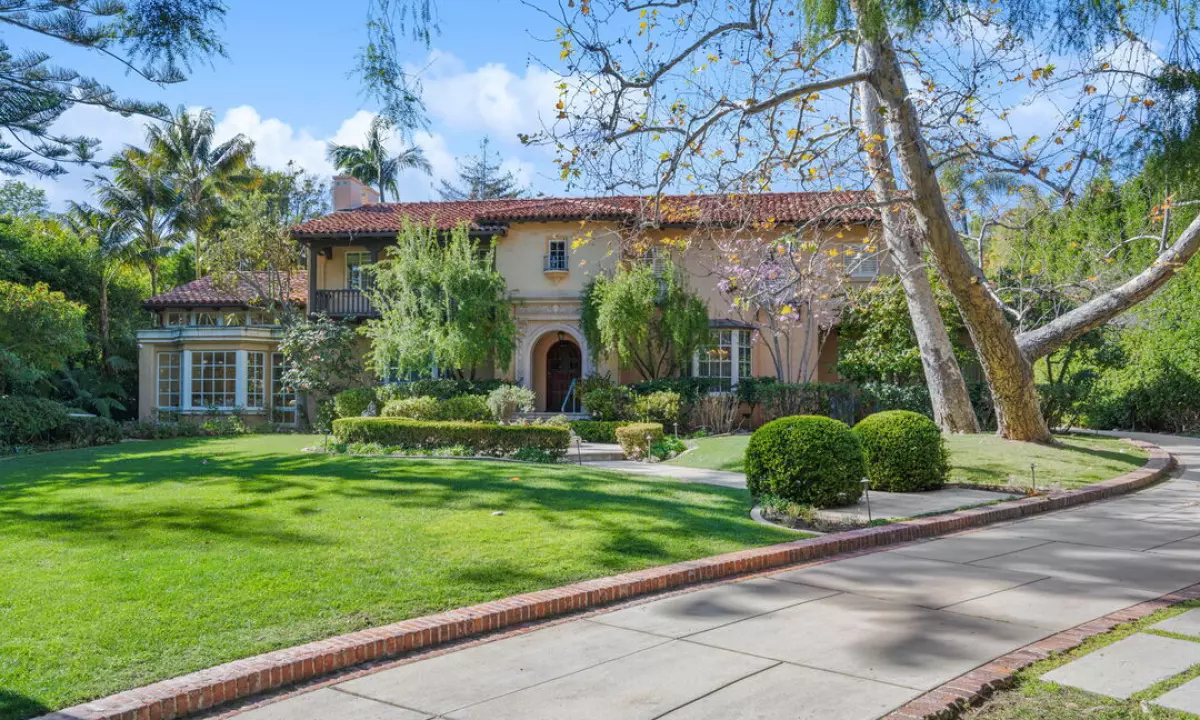
UCLA report claims the ‘mansion tax’ stifles commercial development in L.A.

“The hardest-hit properties are not luxury homes, but multifamily, commercial and industrial buildings — the very types we need to support housing production and job growth,” Smith said.

A commercial decline hurts the city in two ways, the report says. First, commercial properties often sell for significantly more than single-family homes, so even a slight decrease in sales leads to a large drop in tax revenue. In addition, commercial sales typically lead to new multifamily development, which the city desperately needs in the midst of a housing crisis.

California home prices fell while sales rose to close out 2025

The statewide median price for an existing single-family home fell 1.2% year over year to $850,680 in December, according to data released by the California Association of Realtors. While prices softened, buyer activity rose 2% compared with December 2024.

It remains a buyer’s market for those who can absorb mortgage rates in the 6% range – or pay in cash. Inventory is high, and homes spent an average of 36 days on the market in December, 16% longer than a year ago.

2026 Real Estate Outlook: What Leading Housing Economists Are Watching

Lawrence Yun, NAR Chief Economist

“We are seeing a little better condition for more home sales … with more inventory and the lock-in effect steadily disappearing—because life-changing events are making more people list their property to move on to their next home. Next year should be better with lower mortgage rates, and that will qualify more buyers. We are expecting home sales to increase by about 14% nationwide in 2026.”

  • Equity remains, but home prices moderate: “Home price growth will be minimal—roughly 2% to 3%—about the same as overall consumer price inflation. Generally, wage growth will be above that. So, it’s a year where people’s income begins to rise a little faster than consumer price inflation and home prices—and this is a welcoming development. We want people to have more purchasing power. Home prices are in no danger of any major decline, and even a 3% gain will bring smiles to many homeowners.”
  • Less pressure on buyers: “Inventory levels are about 20% above one year ago, so there are more choices for consumers. We’re not back to pre-COVID inventory yet, which I would consider normal, so we’re still in a slight housing shortage condition. But consumers do not have to rush decisions the way they did before—there are more choices out there and less prevalence of multiple offers.”
  • The American dream is still alive: “The desire for homeownership has not fallen. Many renters say that if the conditions are right, they would like to become homeowners. The past couple of years have been frustrating because of elevated mortgage rates, but things will be much better to achieve that American dream of ownership in 2026—with more inventory choices and mortgage rates falling.”